BIOGRAPHY
Tim Woolcock stands as a commanding figure within contemporary British painting, working in the refined tradition established by the twentieth century's most significant modernist movements. Born in 1952 in Lancashire, Woolcock has evolved into one of the country's most compelling colourists, whose practice oscillates with remarkable sophistication between pure abstraction and a landscape vernacular deeply rooted in the British and Irish countryside.
Contemplative Luminosity
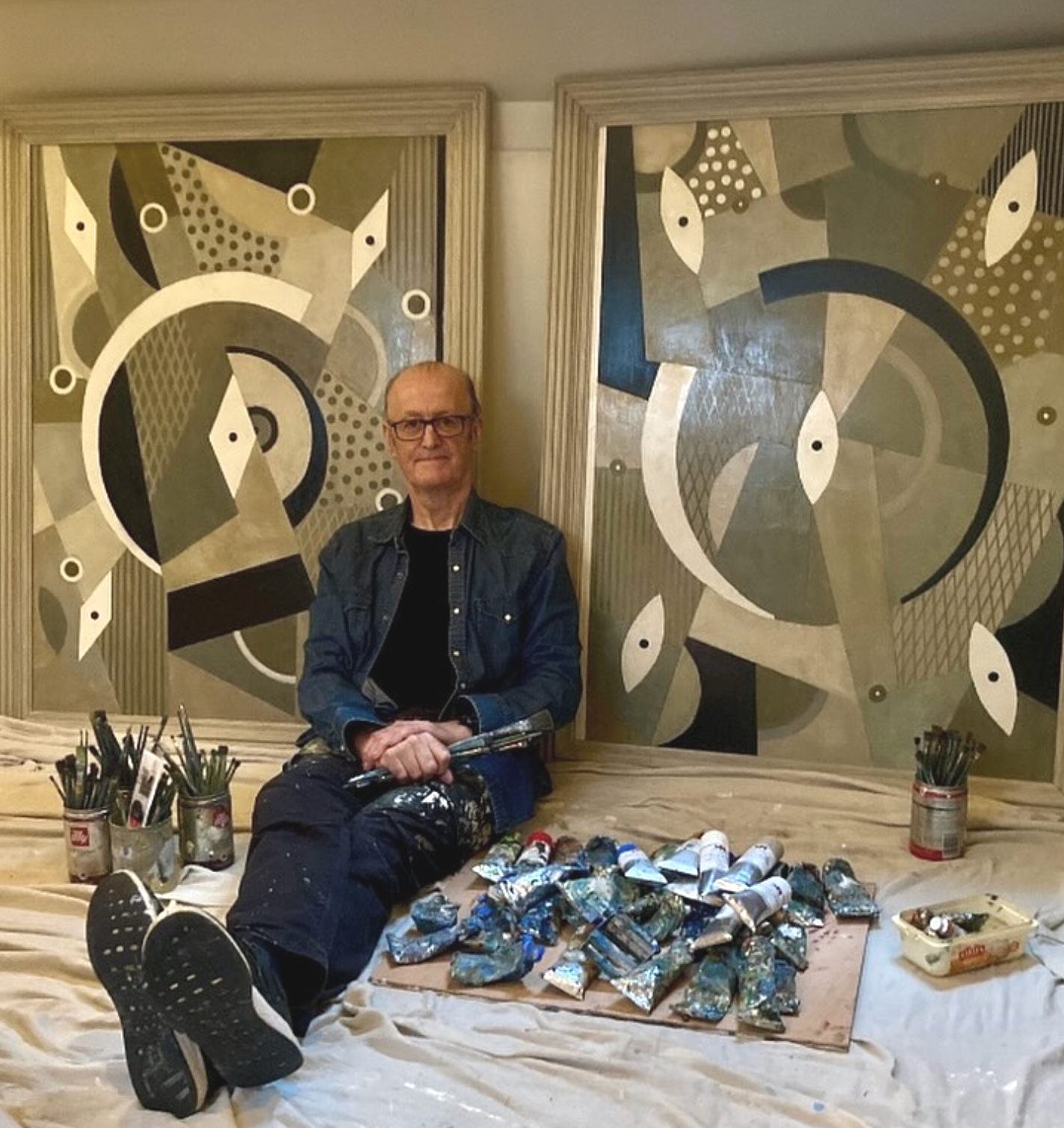
Woolcock’s work possesses what one might describe as a contemplative luminosity, paintings that emerge not from direct observation but from a meditative engagement with place and memory. The influence of Zen philosophy permeates his artistic consciousness, manifesting in works of extraordinary poise and spiritual quietude. As he himself has articulated, the practice of painting operates most successfully when the conscious mind yields to intuitive gesture, echoing the principles of calligraphic spontaneity valorised in Eastern aesthetics.
"I have been greatly influenced by Zen writers, some who have said that the real aim of art is purposeless, not to be confused with a nihilistic approach. In 'Zen and The Art of Archery' it is said that in calligraphy strokes are made by the brush with perhaps the painter not fully being conscious of his or her efforts. I have found this to be true when painting, as if a certain effortless process is ignited where the self drops away and a painting manifests without a painter." Tim Woolcock
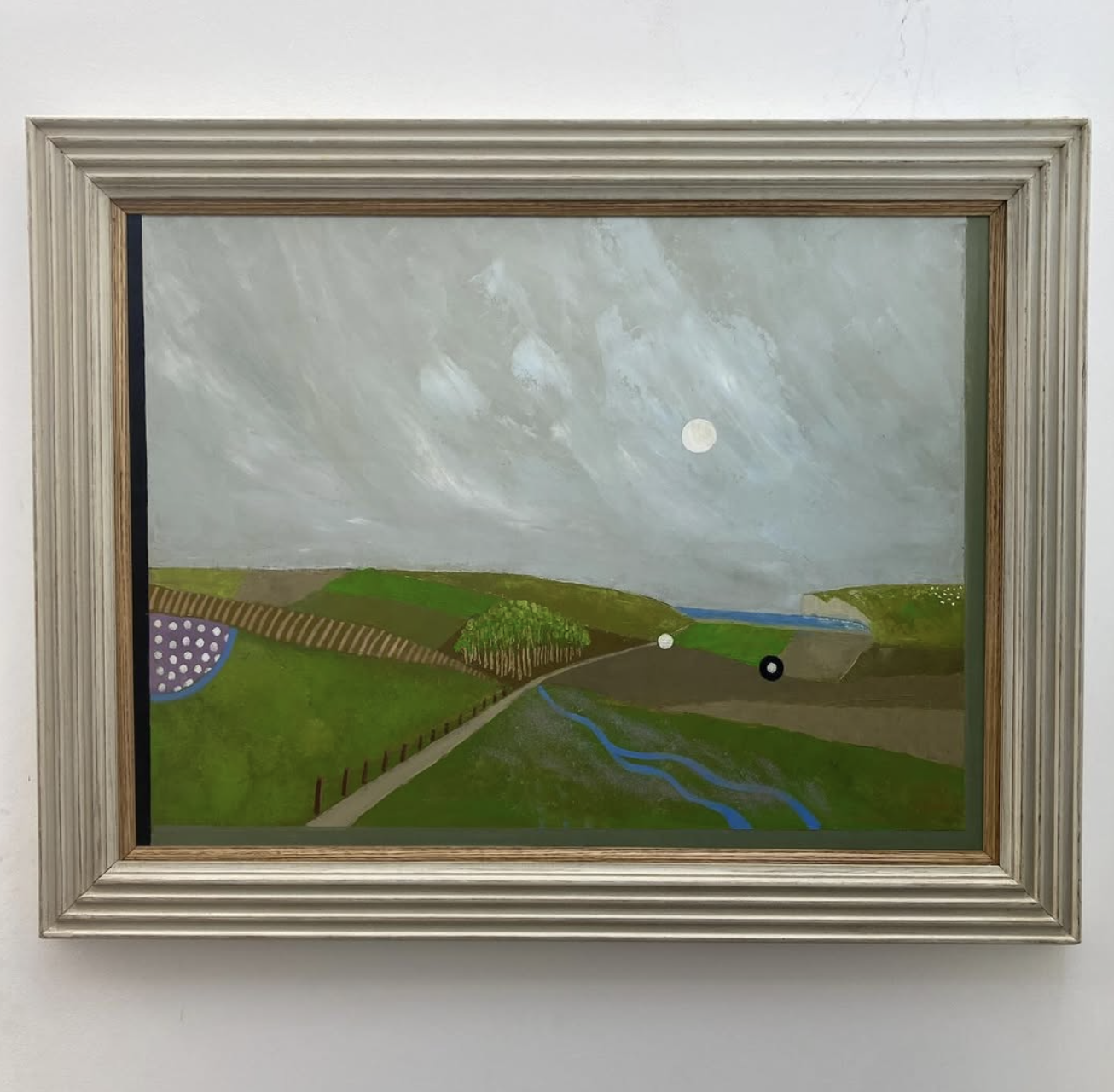
"My landscape paintings follow in a lineage of English and Irish countryside painters; a long tradition stretching back even perhaps before Samuel Palmer and finishing up, at the moment, with the great illuminating works of David Hockney."
Tim Woolcock
Artistic Formation and Philosophy
Woolcock's artistic formation began during his formative years in Blackpool, where regular visits to the Grundy Art Gallery proved instrumental in nurturing his sensibility. Between 1963 and 1970, he attended Arnold School, establishing the foundations for his later study at Roehampton Institute (University of London) where, from 1971 onwards, he pursued a dual engagement with Philosophy and Art. This intellectual grounding in philosophical inquiry has enriched his artistic practice with a conceptual rigour that elevates his work beyond mere visual representation.
From 1974 to 1986, Woolcock maintained a teaching practice in London schools, a period during which his artistic development remained in abeyance. It was not until the late 1990s that he returned to full-time artistic practice, a decision that precipitated his immediate recognition amongst discerning collectors and gallery professionals alike. Since 1999, he has spent large parts of his year either in County Carlow, Ireland or travelling through the British countryside from Cornwall to Wiltshire.
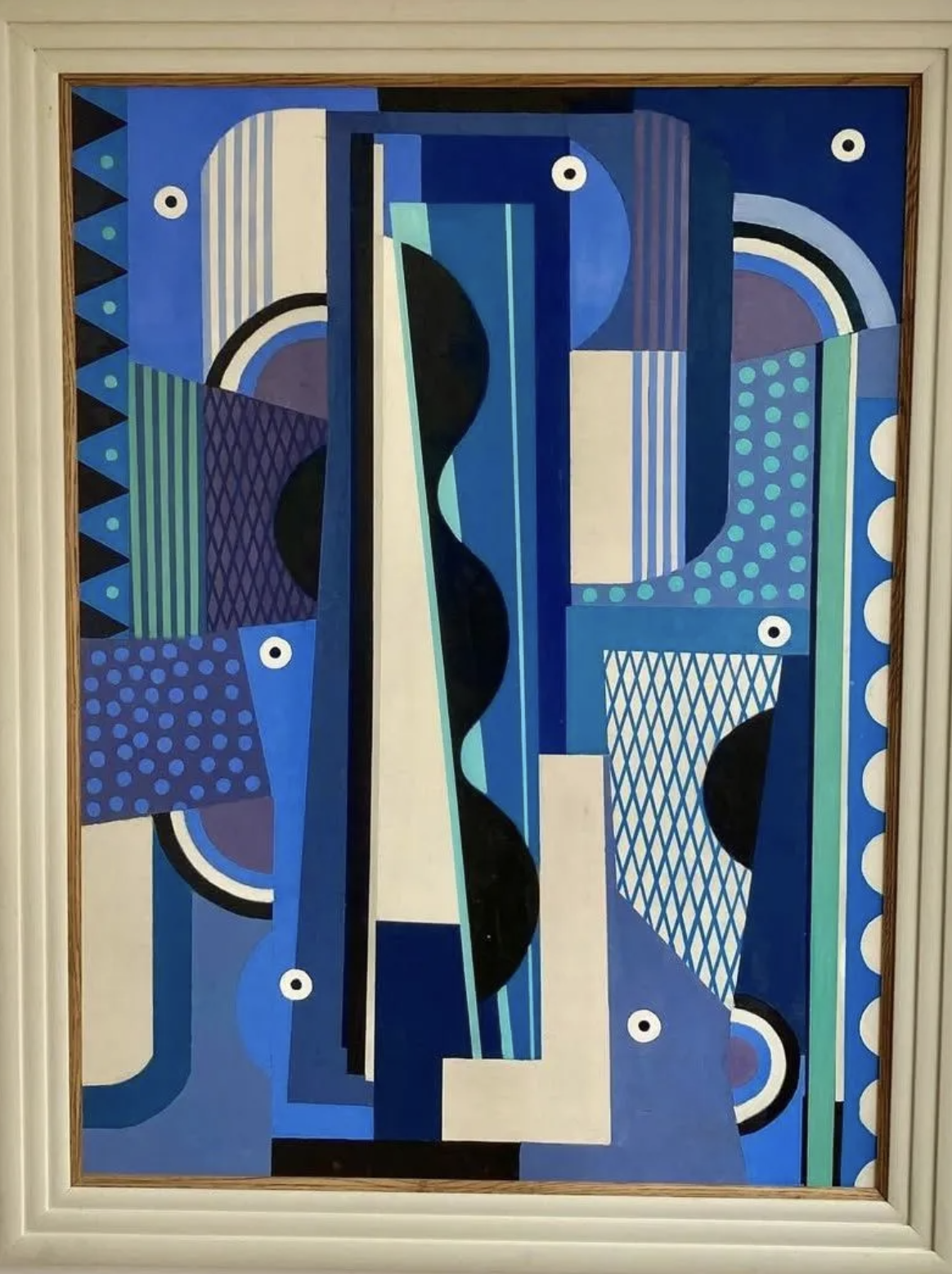
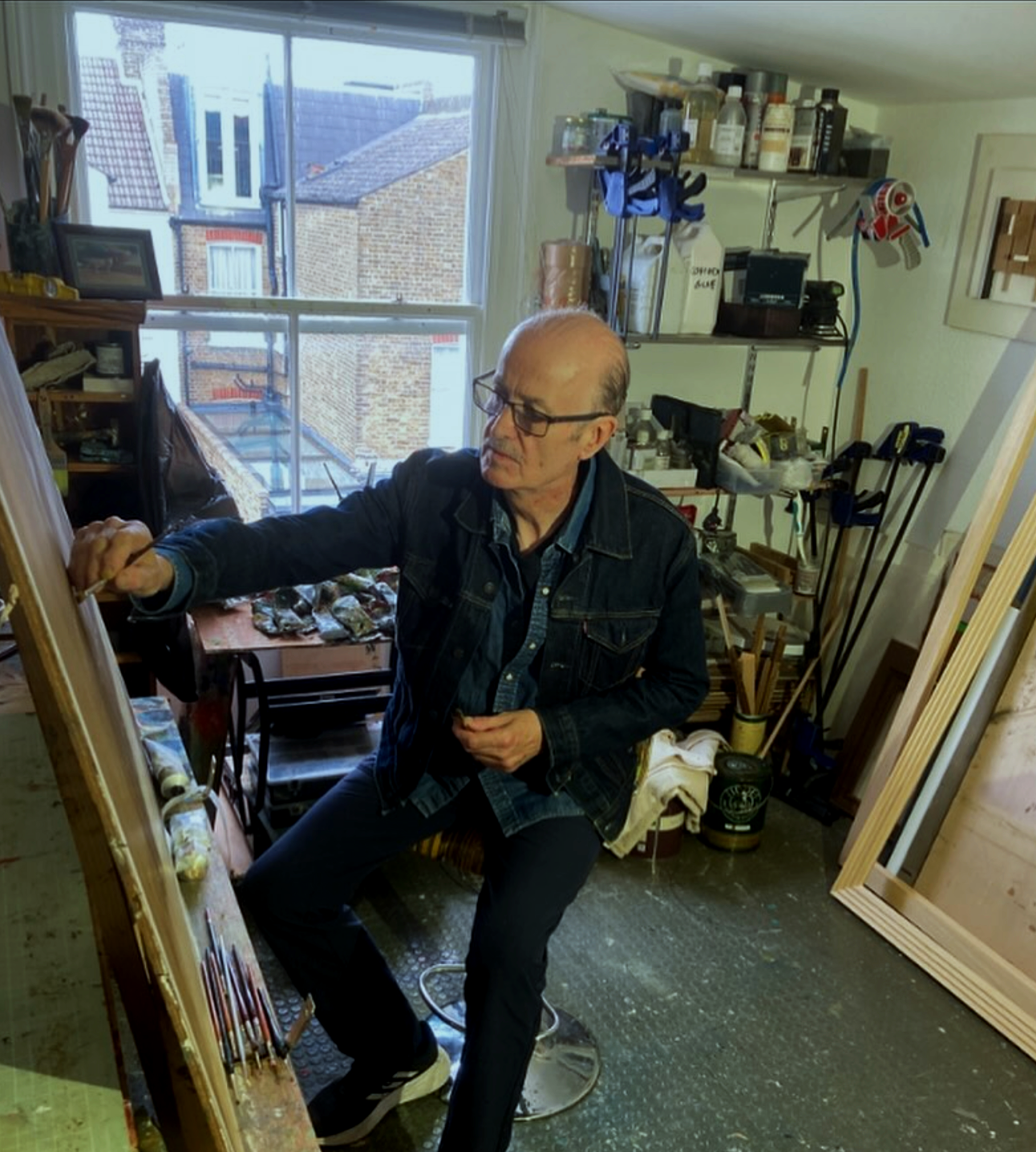
"Painting is an intuitive process and the process really is the way I paint. I only paint on panel, I very rarely do preliminary sketches.
Tim Woolcock
Artistic Language and Material Sensibility
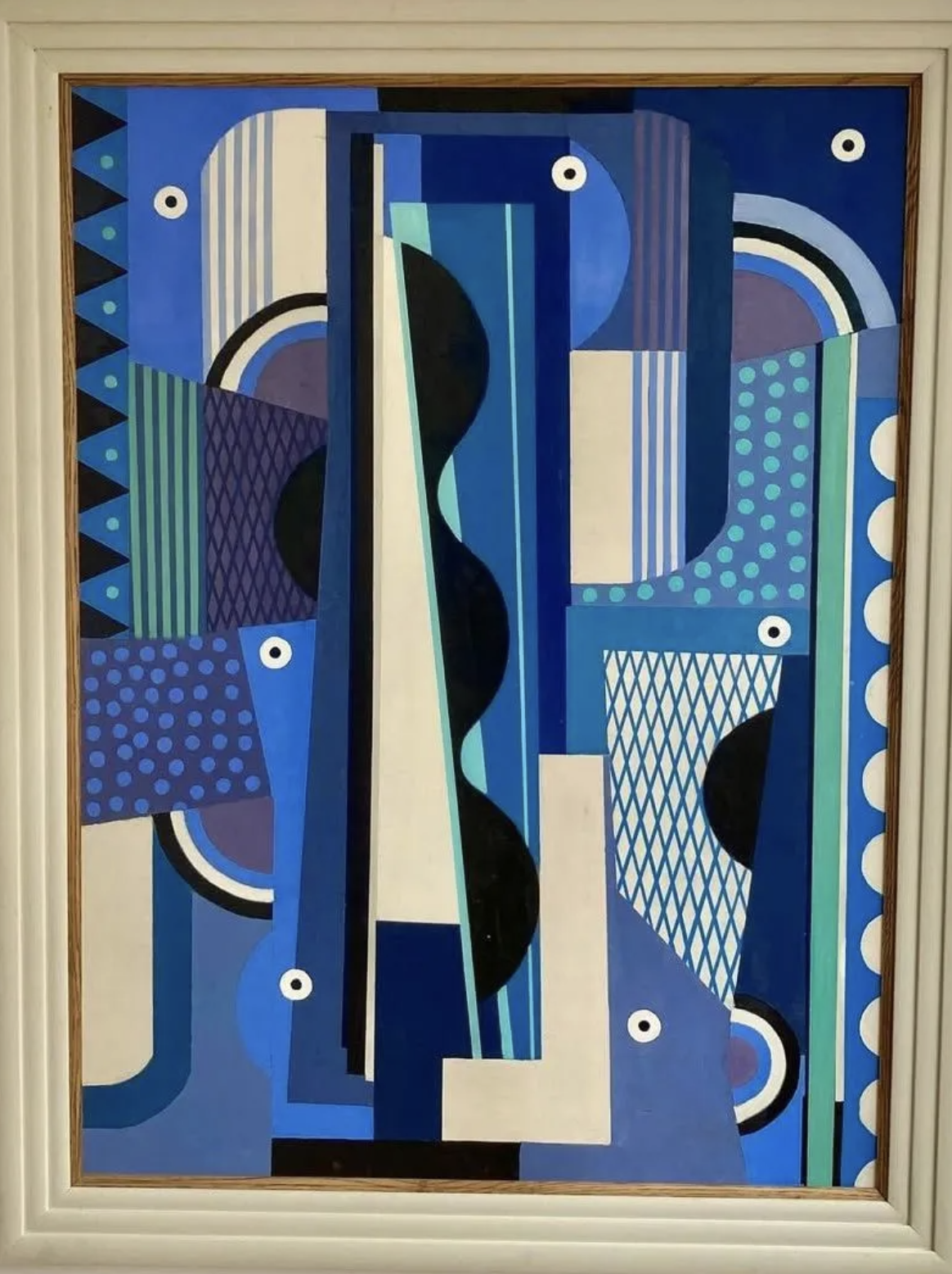
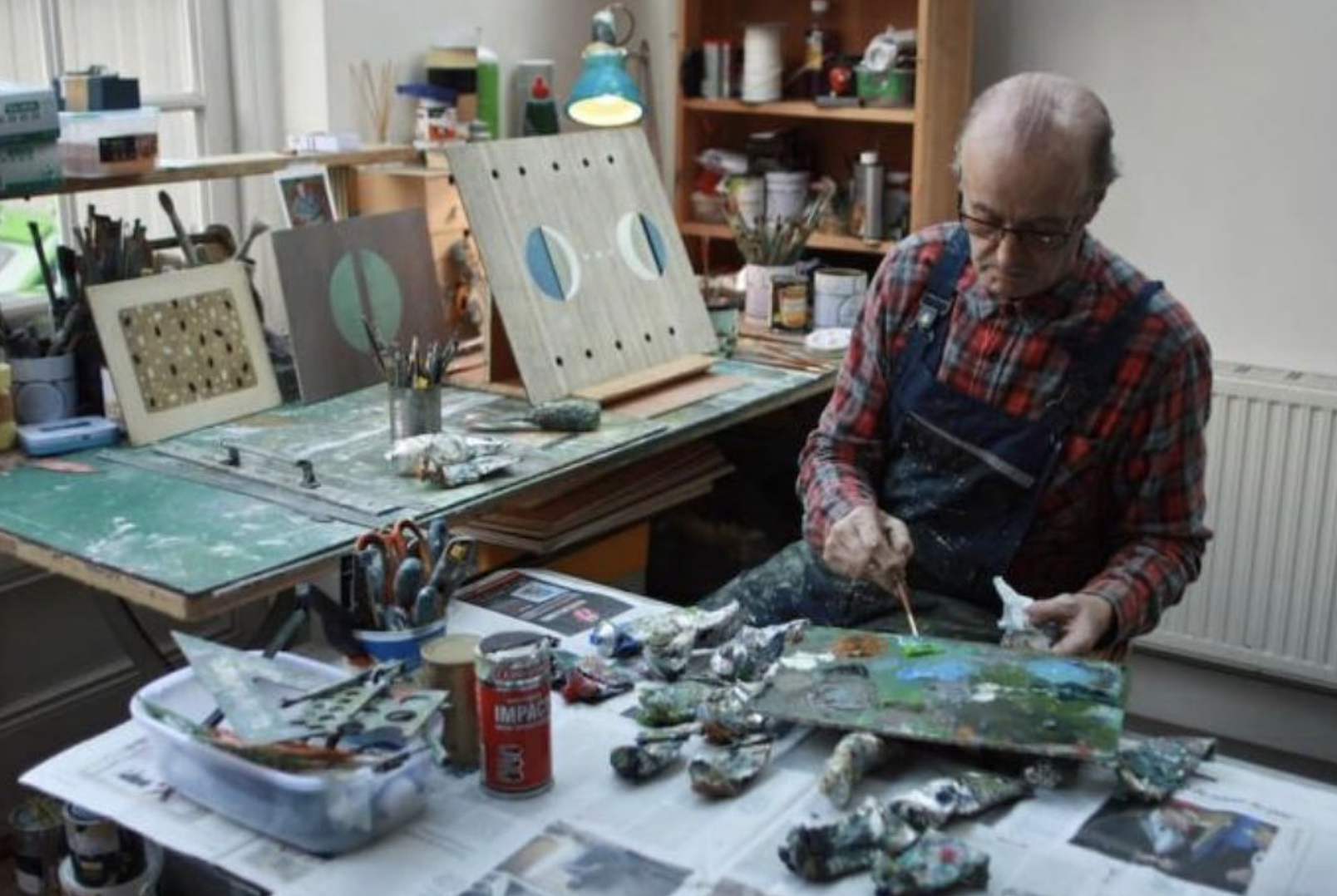
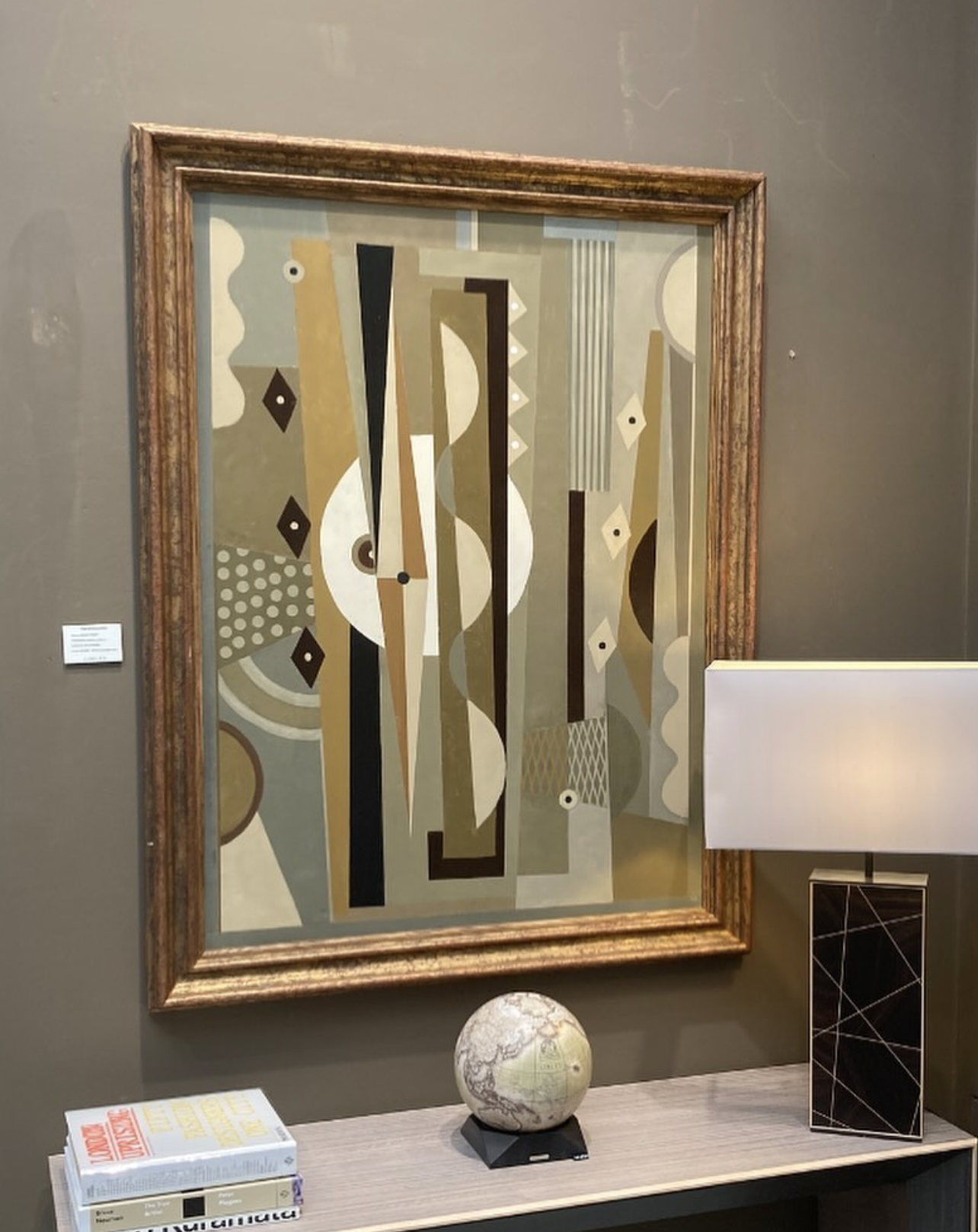
Woolcock's distinctive voice emerges through his masterful deployment of Michael Harding pigments - hand-formulated, of exceptional chromatic intensity - applied exclusively to marine plywood panels of the highest grade. This material specificity is not peripheral to his practice but rather constitutive of it; the surface of panel board imparts a particular luminosity and tactile resonance that canvas cannot replicate. His technique frequently involves the deliberate scoring and scratching away of paint layers to reveal the underlying support, creating palimpsestic surfaces of considerable visual complexity.
The art critic Joanna Pitman, writing in The Times, has characterised Woolcock as "one of our finest modern British colourists," noting with particular acuity that his work presents "an internal harmony...the delicate balance between form and the exquisite colours he uses." His landscapes, whether of Devon, Dorset, Wiltshire or the haunting terrain of Connemara, harbour an almost mystical quality, incorporating what he terms "planetary influences" through the strategic deployment of small celestial circles that reference lunar temporality and cosmic interdependence.
"Painting is an intuitive process and the process really is the way I paint. I only paint on panel, and very rarely prepare preliminary sketches. With my abstractions I have a general idea of what the painting will be, but with all paintings there's a very great deal of what I call 'chance-dependence"
Tim Woolcock
Critical Recognition and Institutional Acquisition
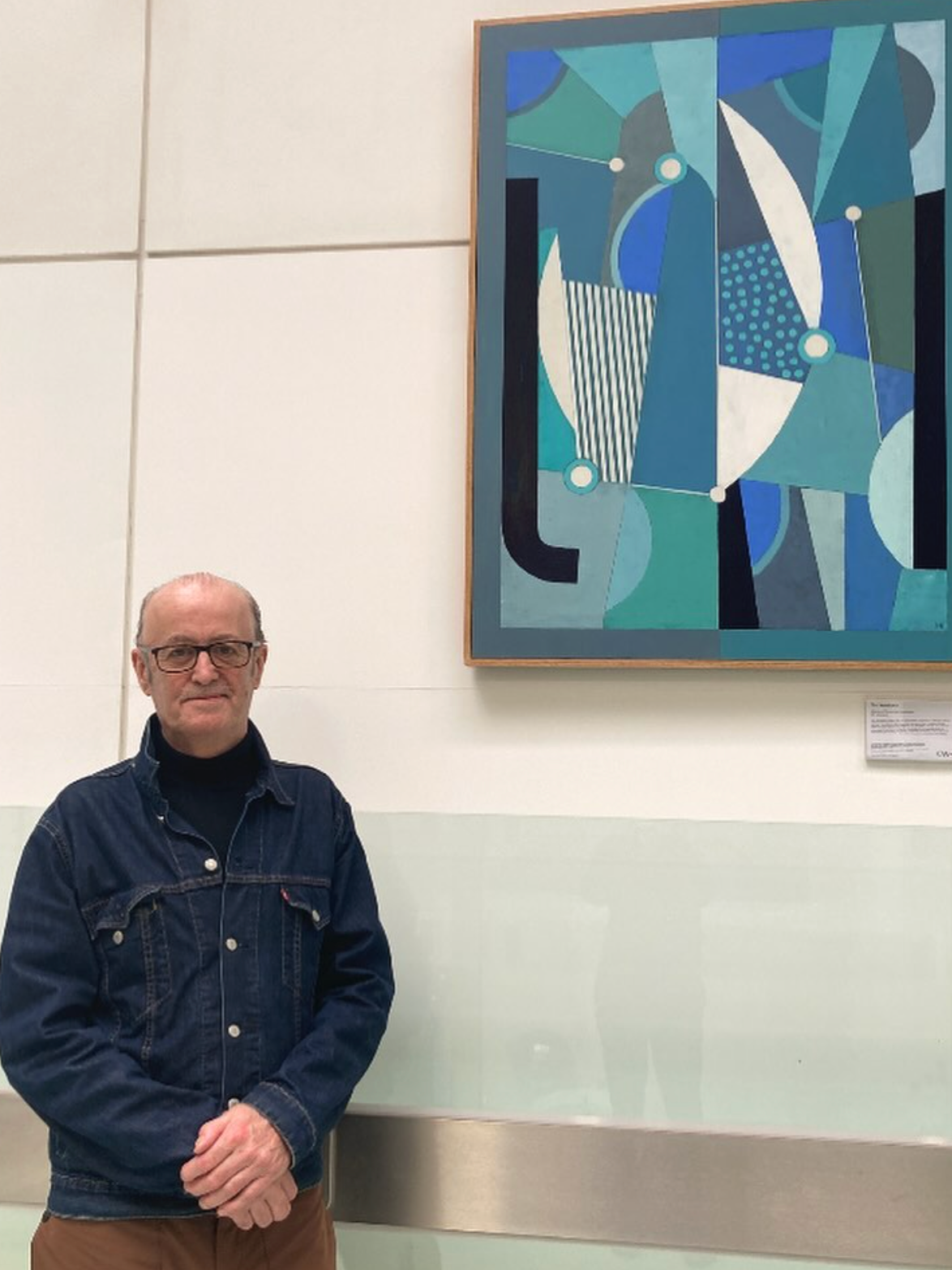
In 2009, the Office of Public Works in Dublin selected one of Woolcock's paintings for acquisition by the Department of Arts, Heritage and the Gaeltacht—an institutional recognition of significant consequence. In 2019, moved by profound personal gratitude, Woolcock created and donated the monumental canvas "Blue and Turquoise Amalgam" to Chelsea and Westminster Hospital, establishing his commitment to art's capacity for humanitarian purpose.
His work maintains presence in substantial private collections across the United Kingdom, Ireland, and internationally, whilst his engagement with public exhibition has demonstrated remarkable consistency and discerning selectivity.
"If you are thinking you are not painting, and if you are painting you're not thinking."
Tim Woolcock
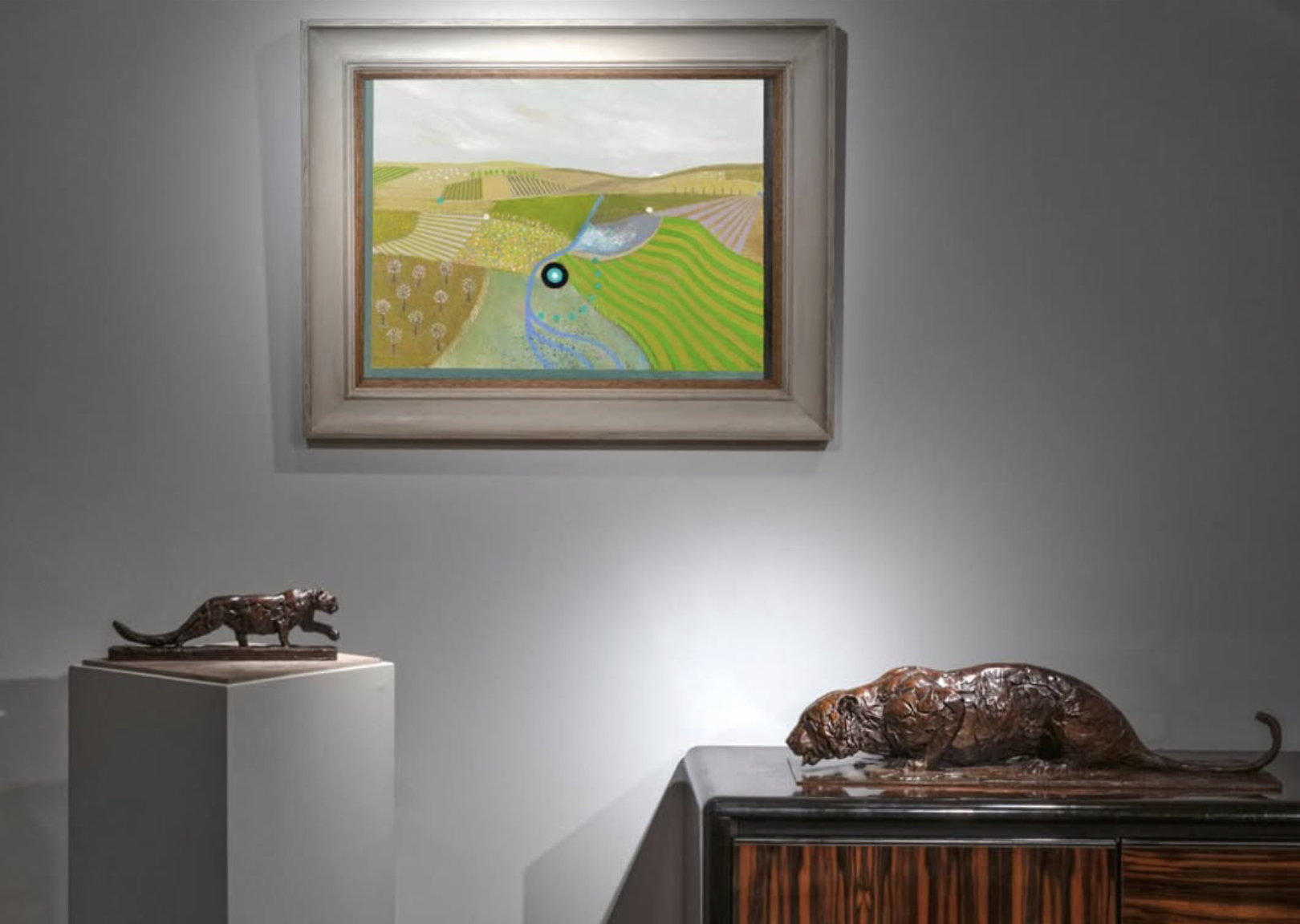
Tim Woolcock’s work can be viewed at Jenna Burlingham Fine Art, Hampshire, Linley London, Stow Art House Gloucestershire and The Sladmore Gallery London. All maintaining comprehensive exhibition programmes and specialist knowledge of his oeuvre.
He sells directly from his both his physical and digital studios.
Current Representation
Exhibitions of Note
2002 - St Giles Gallery, Norwich
2004 - Russell Gallery, London, Art London, Art Chicago
2005 - Royal Society of British Artists, Russell Gallery, London,Art London, Langham Gallery, Suffolk
2006 - Lemon Street Gallery, Cornwall
2009 - 13th Boston Fine Art Show
2012 - Jorgensen Gallery, Dublin
2016 - Paisnel Gallery, London, London Art Fair, Paisnel Gallery, London
2017 - British Art Fair, Paisnel Gallery, London
2018 - London Art Fair, Paisnel Gallery, London, Jorgensen Gallery, Dublin, The Nine British Art, British Art Fair at the Saatchi Gallery
2019 - The Nine British Art, Mid May Group Show, London Art Fair, The Nine British Art
2021 - The Nine British Art, London Art Fair 2021
2022 - The Abstract Line, The Stow Art House
2023 - Solo Exhibition, Sladmore Gallery, London, Tim Woolcock: Recent Landscape Paintings.
Treasure House Art Fair (23-26 June), Sladmore Gallery, London
2024, Sladmore Gallery, Jermyn Street, Treasure House Fair, London
2026 - Exhibition details to be announced in Spring